
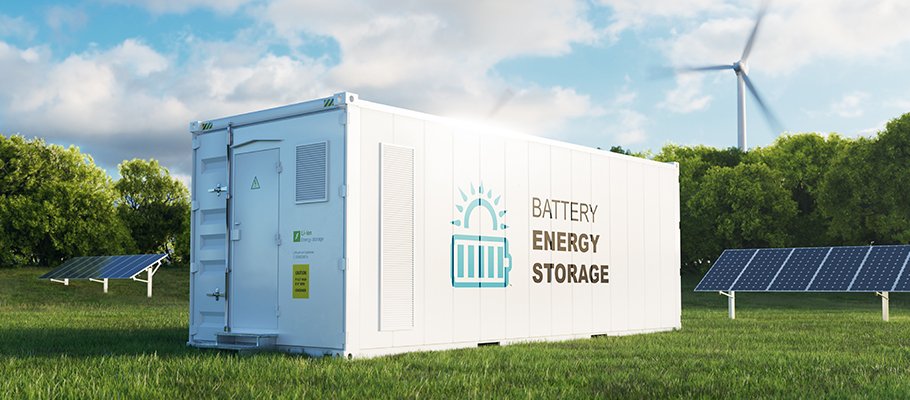
Large scale battery energy storage systems are becoming an important part of modern power infrastructure. As electricity demand grows and more renewable energy sources are connected to the grid, power projects need flexible systems that can store energy and release it when required. Battery storage helps improve reliability, reduce pressure on networks, and support cleaner energy development.
For developers, utilities, and industrial operators, BESS technology can play a key role in balancing supply and demand. It can also help manage peak loads, support grid stability, and make renewable energy projects more dependable.
Why Large-Scale Battery Storage Matters
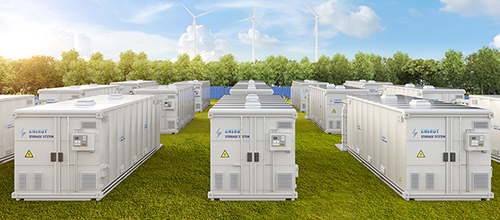
Companies planning energy projects often want to discover more about large scale BESS because these systems can store electricity from renewable sources such as solar and wind, then discharge it when production drops or demand increases.
This flexibility is especially valuable because renewable generation can change throughout the day. Solar output depends on sunlight, while wind power depends on weather conditions. Battery storage helps smooth these fluctuations and provides a more stable power supply.
Large scale BESS installations can also reduce reliance on backup fossil fuel generation during peak demand periods, supporting more efficient and sustainable energy operations.
How BESS Supports Grid Reliability

Modern power networks require fast response solutions to maintain stability. Battery storage systems can react quickly to changes in electricity demand, helping balance frequency and voltage across the grid.
This rapid response makes BESS useful for grid support services, emergency backup, and load shifting. During periods of low demand, batteries can store excess electricity. During high demand, they can release stored energy to reduce strain on the network.
For remote sites, industrial facilities, and renewable energy projects, battery storage can also improve resilience by providing backup power during outages or supply interruptions.
Planning Factors For Large Scale BESS Projects

Successful battery energy storage projects require careful planning. Developers must consider site location, grid connection, battery capacity, safety systems, maintenance requirements, and long term operational goals.
Safety is especially important because large battery installations require proper thermal management, fire protection, monitoring systems, and compliance with technical standards. A well designed system should include controls that detect faults early and protect both equipment and personnel.
Financial planning is also essential. Project teams should evaluate installation costs, expected revenue opportunities, operating expenses, battery lifespan, and future expansion options before making investment decisions.
Conclusion
Large scale BESS technology is helping reshape modern power projects by improving flexibility, reliability, and renewable energy integration. These systems store electricity when supply is available and release it when demand requires support.
For utilities, developers, and industrial users, battery storage can reduce grid pressure, improve resilience, and support cleaner energy strategies. With careful planning, strong safety measures, and clear financial analysis, large scale BESS can become a valuable part of future energy infrastructure.