
Pushing your body in training feels great until your muscles send that familiar message the next morning. Anyone who has chased strength, speed, or stamina knows the cycle. You train hard, tissues break down, inflammation rises, and then recovery begins.
Hyperbaric oxygen has stepped into the fitness world for exactly one reason: faster, cleaner, science-supported recovery that actually helps them get back to training.
Below, you will see what it does inside the body, who benefits the most, and how it fits into a modern recovery plan.
How Hyperbaric Oxygen Influences Muscle Repair
Before diving into routines and benefits, it helps to understand the basic mechanism. Inside a hyperbaric chamber, pressure increases and the body absorbs oxygen at much higher concentrations. Instead of relying only on red blood cells to ferry oxygen, plasma gets loaded too. This means far more oxygen reaches tissues that need support after training. Think of HBOT as giving your muscle cells a VIP oxygen pass, no velvet rope required. For damaged fibers craving fuel for repair, this elevated oxygen availability can shift recovery from slow simmer to steady momentum.
If you are an athlete and you look for a premium grade experience, you may turn to specialized centers such as Hyperbaric oxygen therapy Beverly Hills. High quality clinics like these provide controlled protocols that match individual training loads, offering a structured path for faster tissue repair, better energy restoration, and cleaner inflammation control.
The environment itself is designed to help oxygen do its job with precision.
Why Athletes Use HBOT After Training
Athletes turn to HBOT after training because it offers more than simple downtime. Increasing oxygen levels in the bloodstream supports the body’s natural repair cycle and helps muscles recover more efficiently.
Instead of letting soreness linger or energy dip too long, many use hyperbaric sessions to give their tissues a smoother, more responsive recovery window.
Reduced Muscle Soreness
After an intense workout, microtears in muscle fibers attract inflammation. It is a normal part of adaptation, but sometimes soreness overshoots what is useful. HBOT supports a more efficient inflammatory response by improving oxygen availability to immune cells. These cells clean up metabolic byproducts faster, allowing swelling and stiffness to settle sooner.
Many athletes describe a subtle but meaningful difference: soreness that normally lasts two days may feel like a sharper, quicker wave that resolves earlier. If you think of inflammation as smoke after a workout fire, HBOT helps your body manage the smoke instead of letting it linger in the room.
Faster Tissue Repair
The body uses oxygen to repair damaged tissue, build new capillaries, and restore muscle fibers. Hyperbaric sessions increase the oxygen gradient around injured or stressed tissue, which can stimulate fibroblast activity and collagen formation. The science is straightforward. More oxygen equals more efficient repair processes.
This is one reason HBOT is studied not only for workouts, but also for soft tissue injuries and surgical recovery. Athletes appreciate that the mechanism is logical, not magical. It is physiology working at its best.
Improved Energy Rebound
Heavy training taxes mitochondria, and recovering your energy systems takes more than electrolytes and sleep. Oxygen is the core fuel for ATP production. With HBOT, plasma carries increased oxygen levels that reach mitochondria quickly.
Athletes report sharper alertness, improved readiness, and less of that foggy “training hangover” feeling. It is not a stimulant. It is simply oxygen doing its fundamental job at a higher efficiency rate. Think of it as giving your cellular engines cleaner air to burn.
How Hyperbaric Oxygen Fits Into a Structured Recovery Plan
Athletes get the best results from HBOT when they treat it as part of a larger recovery strategy, not a standalone fix. How often they use it, and especially when they schedule sessions after training, shapes how effectively oxygen supports tissue repair and reduces soreness. A little timing awareness can make the benefits noticeably stronger.
Timing After Workouts
Most athletes benefit from using hyperbaric oxygen within a few hours of training or the same day. This is when oxidative stress, swelling, and metabolic waste are circulating at their peak. HBOT is not meant to replace cooldowns, mobility work, or nutrition. Instead, it amplifies what those practices try to achieve by delivering oxygen more effectively. A well timed session can shorten the worst window of soreness and support higher quality training in the following days.
Frequency For Active Individuals
For consistent training loads, one to three sessions per week is common. High performance athletes sometimes use short blocks around competition or intense cycles. What matters is matching HBOT exposure to training volume. Too little and you will not feel much. Too much and you might not need the extra support. The sweet spot tends to emerge within a few weeks, and most people settle into a sustainable routine that enhances performance without adding unnecessary time.
What It Feels Like Inside The Chamber
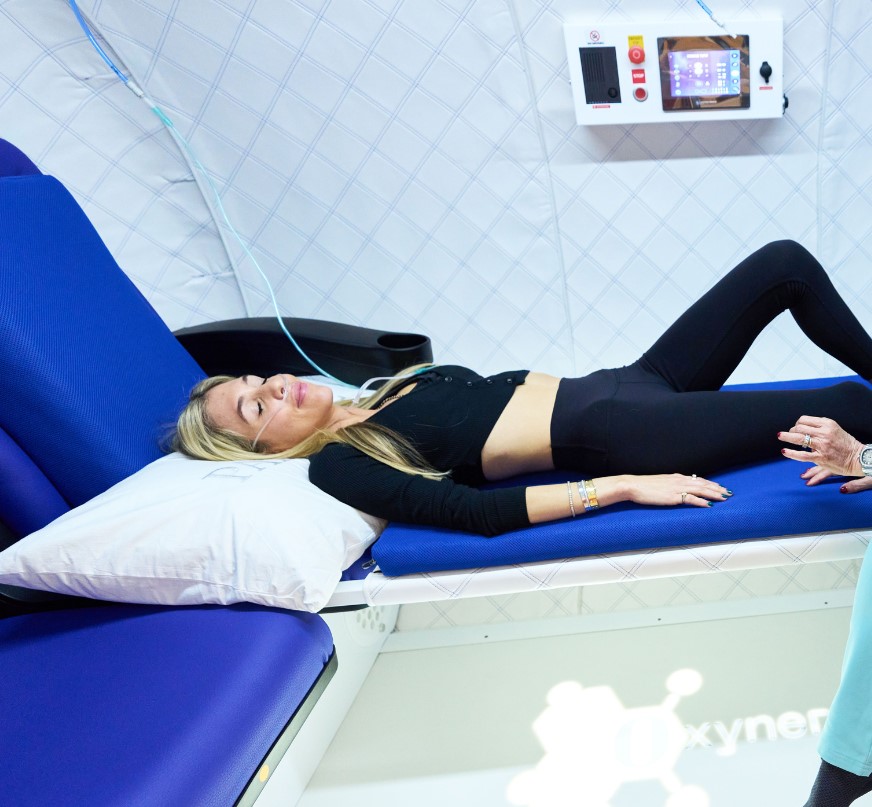
Hyperbaric sessions are surprisingly calm. You sit or lie comfortably while the chamber pressurizes and oxygen levels rise. Some describe the initial pressure change like taking off in an airplane. After that, it is more like a quiet relaxation environment where your body’s internal physiology does the real work. Many athletes enjoy using the time to decompress mentally while their tissues decompress physically. A science pun sneaks in here: inside the chamber, your stress might not vanish, but your cells definitely feel the uplift.

Who Benefits Most From Post Workout Hyperbaric Sessions
Athletes working through high volume or high intensity cycles; people recovering from soft tissue injuries; and individuals beginning new training programs with large workload spikes often see the clearest improvements.
Endurance athletes benefit from improved oxygen utilization, strength athletes enjoy reduced downtime between heavy sessions, and recreational lifters appreciate the gentler recovery curve. If your training leaves you feeling like your muscles are always one step behind your motivation, HBOT can help those steps line up again.
Final Thoughts
Hyperbaric oxygen for post workout recovery has moved from a niche tool into a trusted resource among athletes who value smart, science supported performance strategies. It works by delivering more oxygen to tissues that need it, calming excessive inflammation, and fueling cellular repair processes.
The result is a recovery curve that feels smoother, more predictable, and easier to build training around. You do not need to be an elite athlete to benefit. You just need to understand how oxygen shapes recovery and how HBOT fits into your individual routine.
When used with intention, it becomes one of the most grounded and biologically sensible recovery tools available today.