Indoor air quality isn’t just about dust or allergies, it’s closely tied to how your HVAC system moves, filters, and circulates air throughout your home.
These practical indoor air quality tips focus on what actually works, not surface-level fixes that promise results but fail to improve indoor air quality long term.
From ventilation to filtration to moisture control, HVAC performance plays a major role in indoor air quality and how your home feels day to day.
Why Indoor Air Quality Matters
Most people assume air pollution is an outdoor problem. In reality, indoor air quality is often 2-5 times worse than outdoor air, and we spend nearly 90% of our time indoors.
That means indoor air quality has a bigger impact on your health than the air outside.
Poor indoor air quality doesn’t just affect people with asthma or allergies.
It can quietly influence sleep quality, energy levels, focus, immune health, and even how often you get sick.
Over time, breathing polluted indoor air can worsen respiratory conditions, trigger chronic headaches, and make your home feel uncomfortable even when the temperature is perfect.
When indoor air quality is poor, your body works harder just to breathe, sleep, and regulate temperature.
That means more fatigue, lighter sleep, and slower recovery, even if you don’t have a diagnosed condition.
The real issue isn’t dramatic symptoms; it’s the constant low-level stress polluted air puts on your system.
That’s why homes with poor indoor air quality often “feel off” even when everything looks clean and comfortable.
In short, indoor air quality shapes how your home feels to live in, not just how it looks.
Signs of Poor Indoor Air Quality
Poor indoor air quality often shows up in subtle, easy-to-miss ways.
Frequent headaches, sinus pressure, dry eyes, increased coughing or throat irritation, excess dust buildup shortly after cleaning, stale or musty odors, and trouble sleeping or waking up congested are all common signs.
Allergy symptoms may seem worse indoors than outside, even if they feel minor or “just annoying.”
If symptoms improve when you leave the house and return when you come back, indoor air quality is usually the missing piece.
The most common sign isn’t coughing or sneezing, it’s normalizing discomfort.
People dealing with poor indoor air quality often say things like “I’m always tired at home,” “The house feels stuffy even after cleaning,” or “I sleep better when I’m away.”
If your home quietly drains your energy, improving indoor air quality should be a priority, especially when symptoms linger for years without obvious cause.
What Hurts Indoor Air Quality at Home
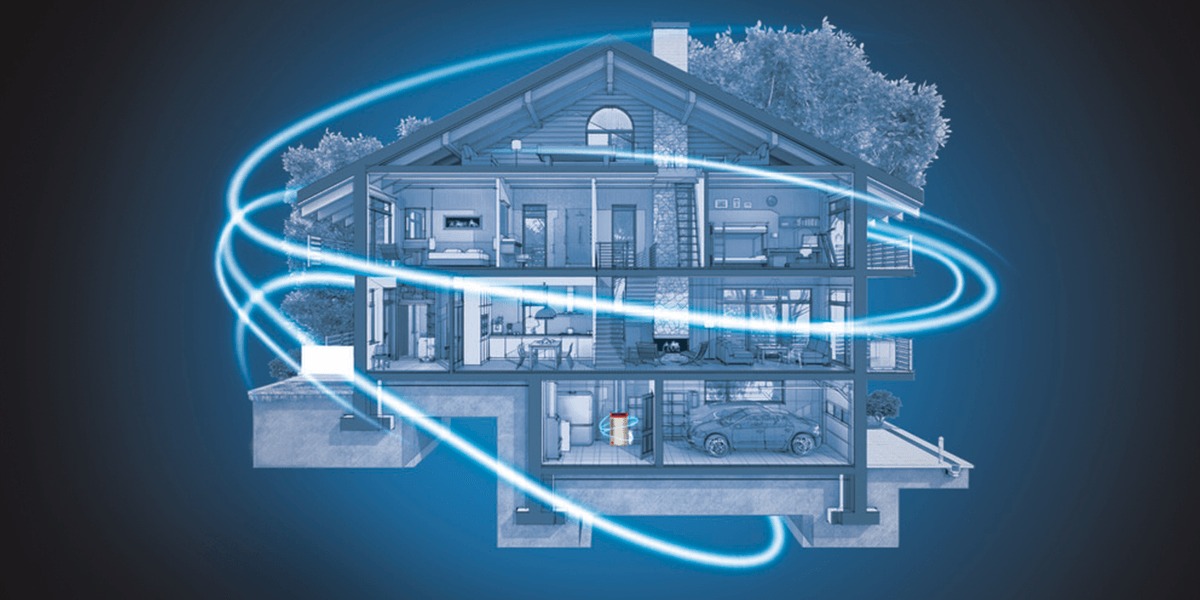
Many of the biggest indoor air quality offenders are part of normal daily life, including cooking without proper ventilation, cleaning products that release chemical fumes, pet dander and hair, excess moisture from showers, laundry, or basements, dust mites in carpets, furniture, and bedding, and poorly maintained HVAC systems with dirty filters.
Even newer homes can struggle with indoor air quality because tight construction traps pollutants indoors instead of letting them escape.
The biggest damage comes from accumulation, not single events.
Cooking once doesn’t hurt indoor air quality. Cooking daily without ventilation does. Pets aren’t the problem, pet dander circulating nonstop is.
Cleaning products aren’t the issue; using them in a poorly ventilated home is.
Indoor air quality declines slowly as particles, moisture, and gases build up faster than your home can remove them.
How to Improve Indoor Air Quality
The most effective ways to improve indoor air quality don’t require major upgrades.
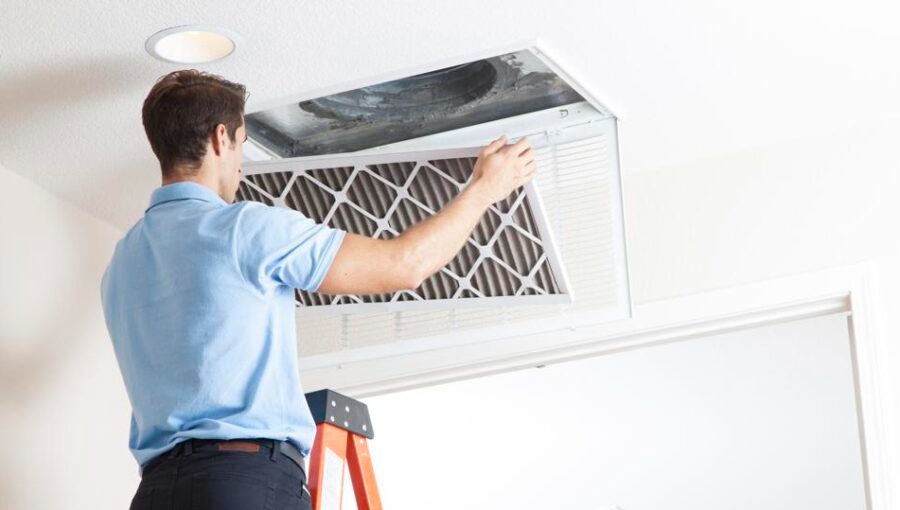
Changing HVAC filters regularly, using bathroom and kitchen exhaust fans consistently, vacuuming with a HEPA-rated vacuum, reducing clutter that collects dust, keeping humidity between 30-50%, and opening windows occasionally when outdoor air is clean can all make a noticeable difference.
Small habits, done consistently, are often the most reliable tips for improving indoor air quality.
The simplest improvements focus on reducing what stays trapped by letting air leave your home, stopping the recirculation of the same dirty air, and controlling moisture before adding new equipment.
Most people skip straight to buying solutions when the fastest way to improve indoor air quality comes from fixing airflow and filtration bottlenecks first.
Indoor Air Quality Tips That Work
Long-term indoor air quality tips focus on removal and control, not quick fixes.
Consistent filter changes, moisture control to prevent mold growth, sealing duct leaks to reduce dust circulation, proper ventilation instead of scented products, and choosing low-VOC paints and cleaners all help improve indoor air quality over time.
Homes with the best indoor air quality aren’t doing anything flashy, they’re just managing airflow, filtration, and moisture properly.
The most effective tips for improving indoor air quality share one trait: they don’t rely on memory or motivation.
Systems that manage humidity automatically, filters that are easy to replace and actually get replaced, and ventilation that runs without reminders are what work long term.
If improving indoor air quality depends on perfect habits, it usually fails within a few months.
How Ventilation Affects Indoor Air Quality
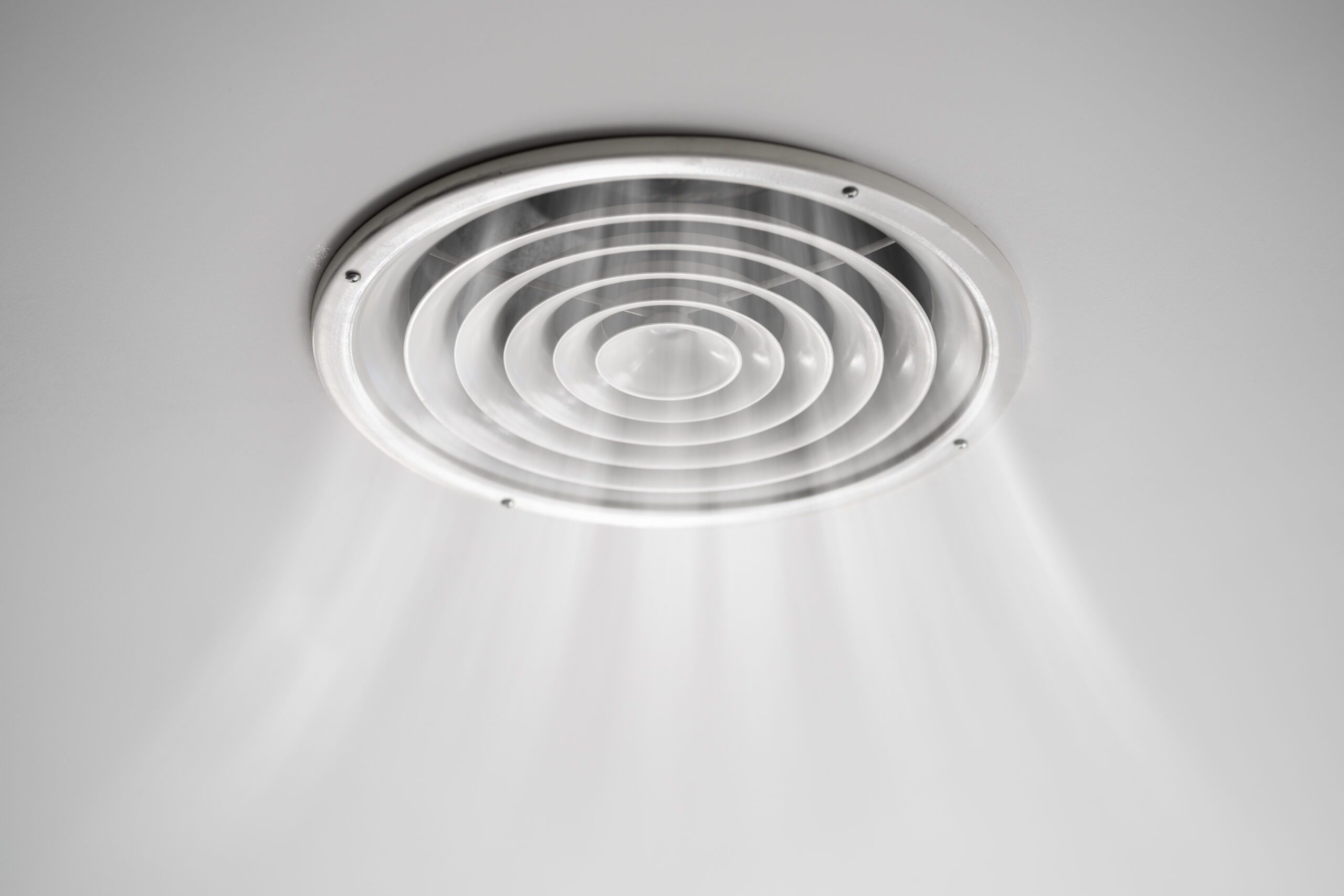
Ventilation is how polluted air leaves your home and fresh air replaces it. Without proper ventilation, indoor air quality declines, even if you clean constantly.
Poor ventilation traps dust, moisture, and airborne particles, turning your home into a sealed container of pollutants.
Good ventilation helps improve indoor air quality by reducing humidity and mold risk, removing cooking fumes and chemical vapors, balancing oxygen levels indoors, and helping HVAC systems operate more efficiently.
Ventilation isn’t about bringing in fresh air, it’s about giving polluted air a way out.
Without ventilation, every shower, meal, cleaning session, and breath adds contaminants that stay suspended indoors.
Over time, even clean homes struggle with indoor air quality. Ventilation keeps indoor air from aging.
Tips for Improving Indoor Air Quality With Filters and HVAC
Yes, when they’re chosen correctly and used consistently. High-efficiency HVAC filters capture dust, pollen, and allergens, helping improve indoor air quality throughout the home.
Air purifiers help in bedrooms and high-use spaces, and HVAC upgrades support consistent filtration and airflow.
However, these tools work best as part of a system. They improve indoor air quality only when they address the right issue.
An air purifier can’t fix moisture problems, and a new HVAC unit won’t help if filters are neglected.
Air purifiers help particles, filters help circulation, and HVAC upgrades help consistency, but none of them solve poor ventilation or excess moisture.
That’s why many homeowners invest in upgrades but still struggle to improve indoor air quality.
Indoor Air Quality Tips That Don’t Help
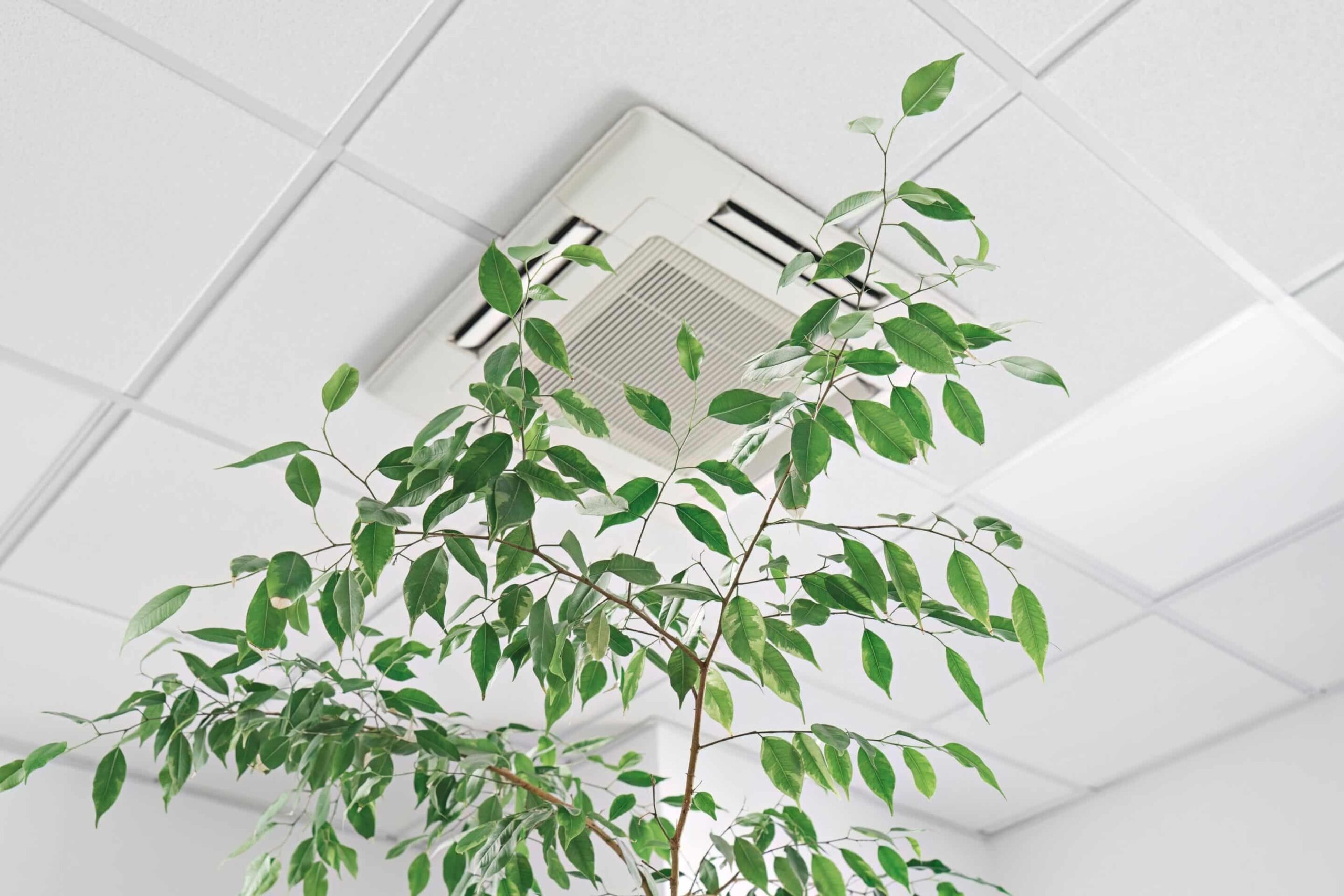
Some popular indoor air quality tips sound helpful but don’t solve the real problem, like masking odors with candles or sprays, relying on houseplants alone, ignoring humidity while focusing only on dust, or buying low-quality air purifiers with weak filters.
If a solution only hides smells or symptoms instead of removing pollutants, it’s not improving indoor air quality, it’s covering it up.
Any tip focused on scent rather than removal usually fails.
If the air smells better but dust, humidity, and particles remain, indoor air quality hasn’t improved.
Real improvement happens when pollutants are removed, diluted, or controlled.
Tips for Improving Indoor Air Quality Fast
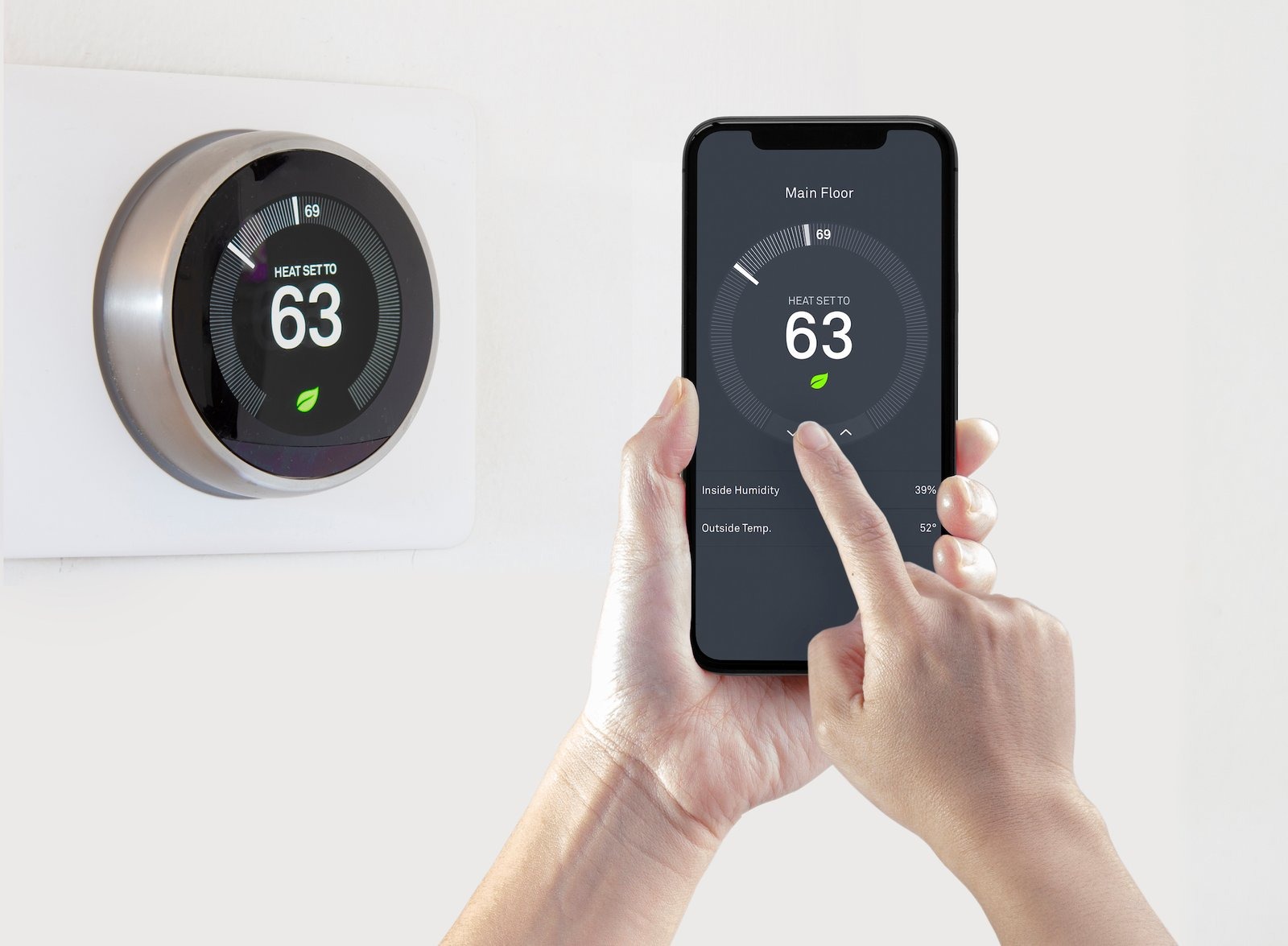
If you want to improve indoor air quality quickly, focus on changing HVAC filters immediately, improving ventilation in kitchens and bathrooms, controlling humidity, removing obvious dust and allergen sources, and using proper filtration where people sleep.
These tips for improving indoor air quality deliver noticeable results fast and create a foundation for long-term improvement. Forget “perfect air.”
Focus on breaking the cycle.
The fastest way to improve indoor air quality is to stop recirculating dirty air, reduce moisture immediately, and improve airflow in the rooms you actually live in.
Once the cycle is broken, everything else becomes easier, and more effective.