

A business trip can become surprisingly complicated when meetings are scheduled across different parts of an Australian city. Traffic, unfamiliar transport networks and appointments that run longer than expected can quickly disrupt the day. Planning routes alongside the meeting schedule can help business travellers spend less time rushing and more time focused on their work.
Group Meetings by Location Whenever Possible

Before confirming appointments, map every meeting location and look at how they relate to one another. Meetings that appear relatively close may still involve considerable travel during busy periods, particularly when moving between central business districts and surrounding suburbs.
Where possible, schedule appointments in the same area consecutively. For example, several meetings within the CBD can be grouped together before travelling to another part of the city later in the day. This approach reduces unnecessary back-and-forth journeys and makes travel times easier to predict.
Leave a buffer between important appointments as well. Building security, visitor registration, finding the correct office and unexpected delays can all take additional time. A schedule with no flexibility can turn one late meeting into a problem that continues for the rest of the day.
Choose Transport Based on Each Individual Journey
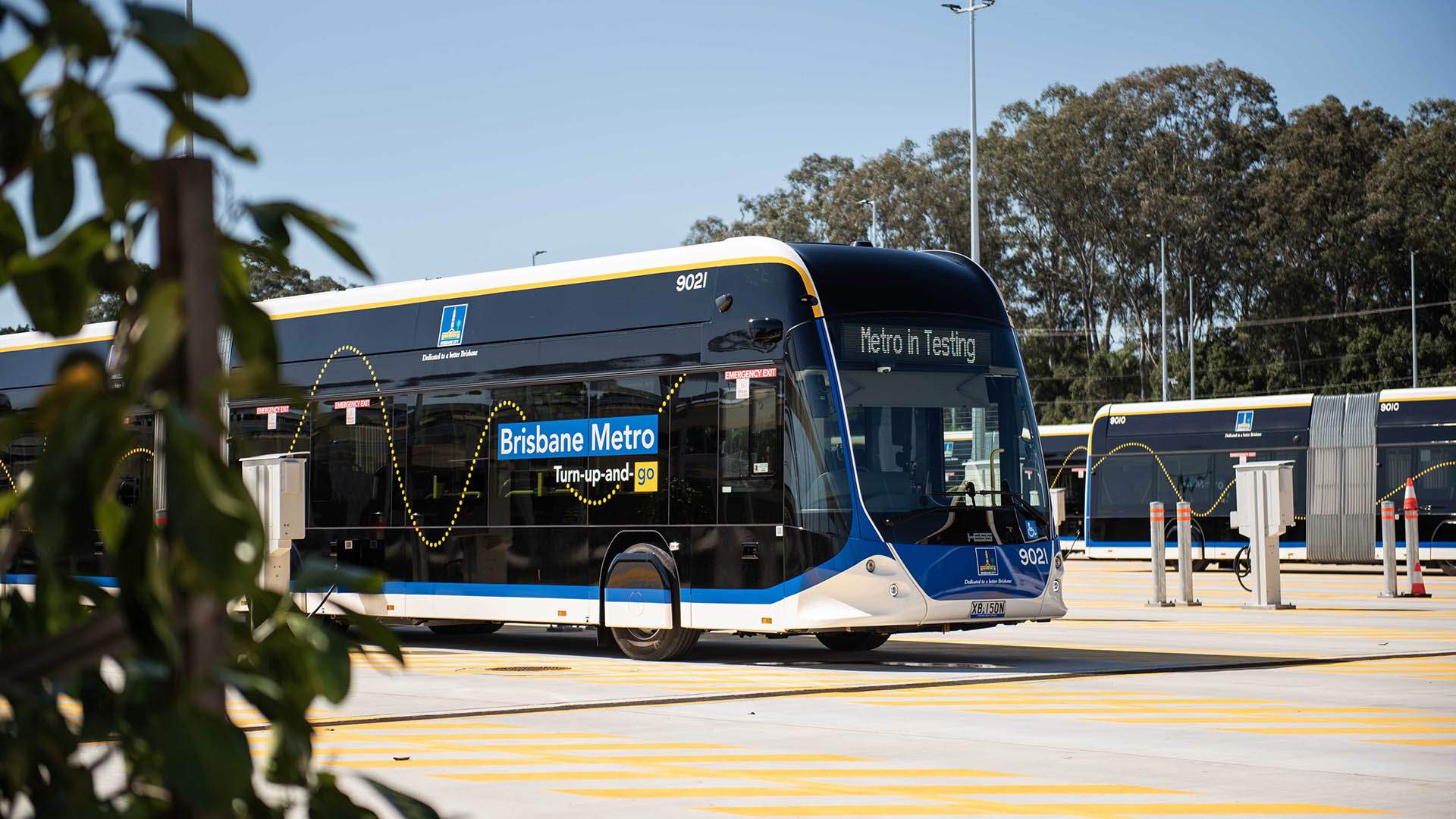
There is rarely one transport option that works perfectly for an entire business trip. Trains, buses, trams and ferries may provide convenient connections for some journeys, while direct road transport may be more practical for others.
Taxis can be useful when travelling directly between offices, carrying presentation materials or working with a tight schedule. To call a taxi simply visit this vetted company blackandwhitecabs.com.au anywhere in Australia to get a taxi out to you fast, and with great service.
Check estimated journey times before leaving rather than relying only on distance. Travelling several kilometres during a busy period may take considerably longer than expected. It is also useful to identify an alternative route or transport option for particularly important meetings in case the original plan becomes impractical.
Choose Accommodation That Reduces Daily Travel

The location of your hotel can influence the efficiency of the entire trip. If most appointments are concentrated in one business district, staying nearby can reduce both travel time and transportation costs.
When meetings are spread across several areas, accommodation close to major transport connections may be more practical. Consider the first and last appointments of each day as well, particularly when early starts or evening business events are involved.
Review the following day’s itinerary each evening. Confirm meeting addresses, contact details and expected journey times so that changes can be handled before the working day begins. Keeping essential documents and presentation materials organised can also make moving between appointments easier.
Conclusion
Planning a business trip across an Australian city requires more than simply adding meetings to a calendar. Grouping appointments geographically, allowing realistic travel buffers and selecting transport according to each journey can create a much more manageable schedule.
With conveniently located accommodation and a little flexibility between meetings, business travellers can spend less time dealing with logistics and arrive better prepared for each appointment.