

Economic growth is often discussed through familiar measures such as productivity, investment, employment, and trade. Less visible is the regional environment that allows those activities to continue. When neighboring countries maintain predictable relations, secure transport routes, and workable institutions, businesses can make decisions beyond the next quarter. When instability rises, the cost is felt not only where disruptions begin but also across borders.
Regional stability matters because it turns economic potential into economic predictability. It does not mean that every country must have identical policies or that disagreements disappear. It means that disputes are managed through institutions, trade remains reasonably predictable, and people, goods, energy, data, and capital can move with fewer sudden interruptions.
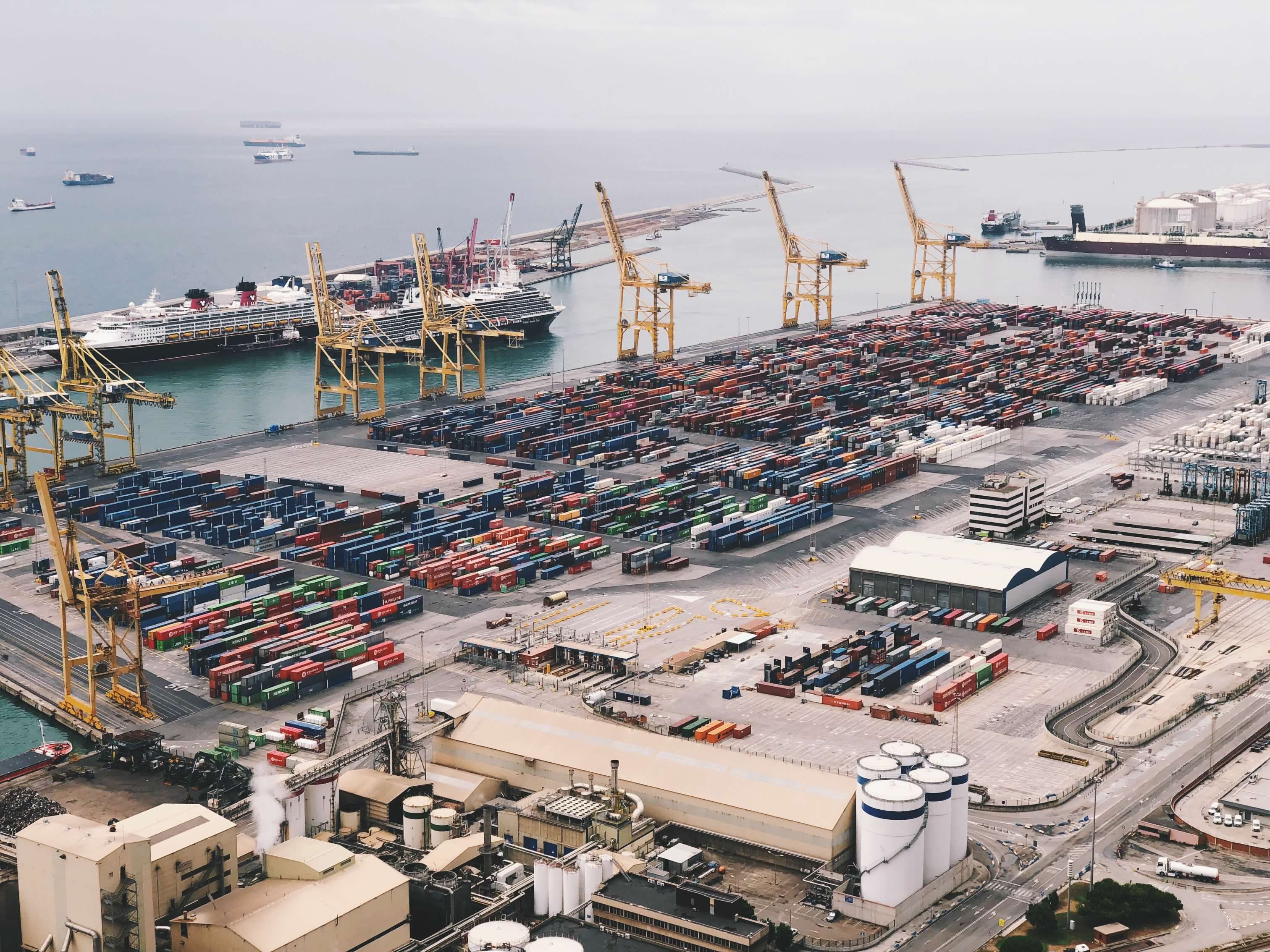
Investment needs a horizon longer than the next headline
Factories, power systems, roads, ports, data centers, and workforce training all require capital today in exchange for returns over many years. Investors therefore assess more than market size. They also consider whether contracts will be honored, regulations will remain understandable, transport routes will stay open, and local suppliers will be able to operate.
Instability raises uncertainty around each of those questions. Companies may postpone expansion, hold more cash, seek alternative suppliers, or require a higher return before committing funds. That response can be economically rational for an individual firm, but it reduces the investment available to the wider region. The result may be slower productivity growth, fewer new jobs, and weaker tax revenues for public investment.
An International Monetary Fund analysis of uncertainty in the Middle East and Central Asia found that persistent global uncertainty shocks were associated with average output losses accumulating to about 2.5% after two years. The same analysis identified investment delays, weaker consumption, higher risk premiums, and tighter financial conditions as important transmission channels. These figures are estimates from a regional study, not a universal forecast, but they illustrate why confidence is an economic input rather than a purely political concern. The IMF study on uncertainty and economic resilience explains the methodology and limitations.
Trade works best when borders are predictable
Modern production is rarely contained within one country. A finished product may depend on components, energy, software, transport services, finance, and specialist labor from several markets. Regional stability supports this system by reducing the risk that a shipment will be delayed by a sudden border closure, a damaged corridor, or an abrupt change in administrative practice.
The World Trade Organization describes trade costs broadly: they include transport, customs procedures, documentation, infrastructure, regulatory differences, and the time required to move goods. Its research notes that high trade costs can prevent firms from reaching export markets or accessing better inputs. Regional cooperation is especially useful when a bottleneck crosses a national boundary, because one government cannot solve a transit problem alone.
That is why customs coordination, compatible product standards, shared border facilities, and reliable transit agreements matter alongside tariffs. The practical benefit is not simply more trade. Firms can plan production with greater confidence, consumers may gain access to a wider range of goods, and smaller businesses have a better chance of joining regional value chains. WTO research on trade costs and inclusive growth found that 87% of surveyed developing and least-developed country respondents considered trade costs very important for export competitiveness, while 91.9% considered them important or very important for access to imports. The survey was conducted in 2015, so the figures describe that research period rather than current conditions. The WTO analysis of trade costs and inclusive growth provides the underlying context.
For readers following how regional developments are reported across borders, broader regional coverage can also help place individual market signals within a wider economic geography. The useful lesson is methodological: regional conditions are often more informative than a single-country snapshot.
Infrastructure is a stability issue, not only a construction issue
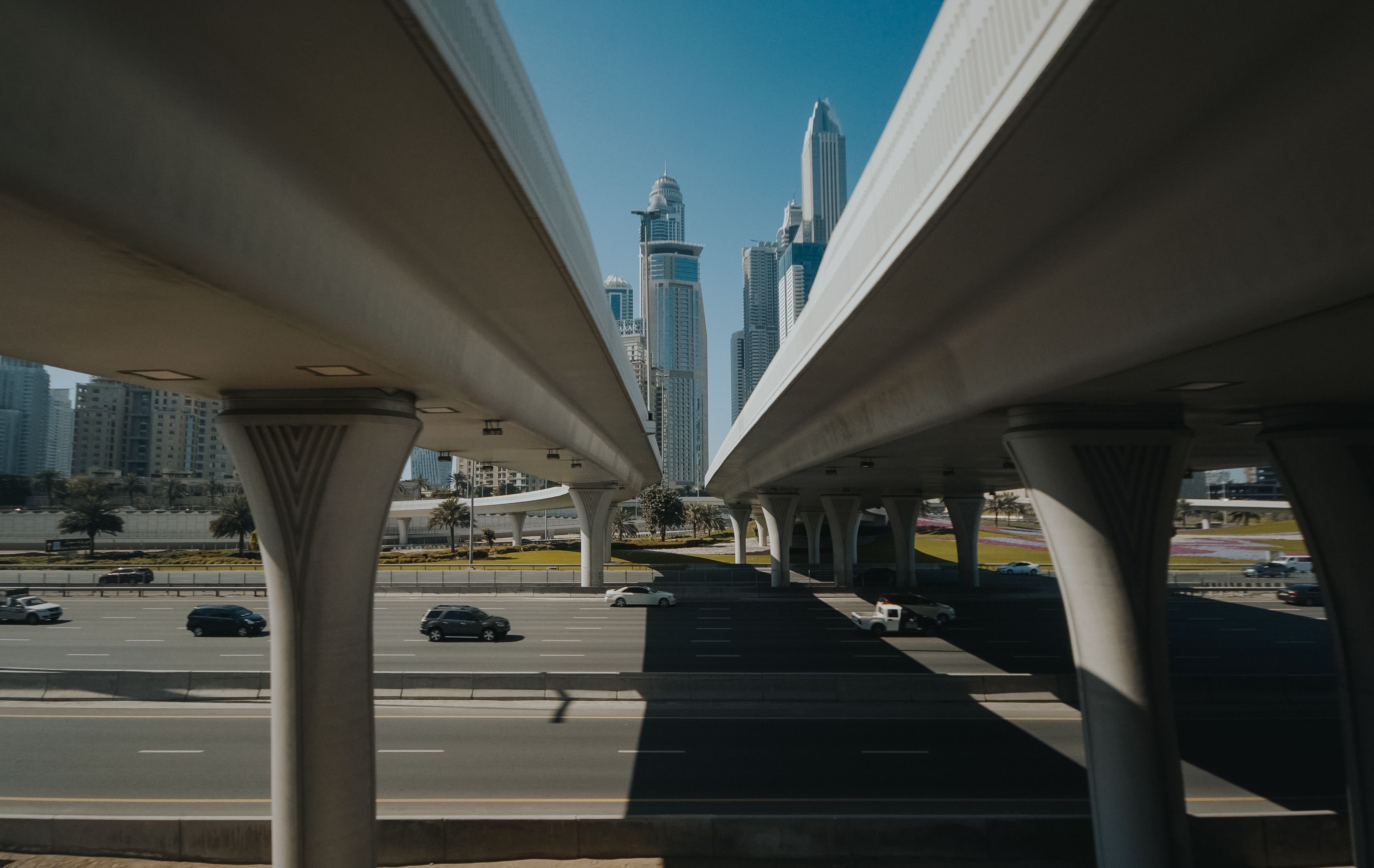
A bridge, railway, port, or electricity interconnector can expand a region’s productive capacity. Yet physical infrastructure produces its full value only when the surrounding rules and relationships are dependable. A highway is less useful if freight faces unpredictable inspections at the next border. An electricity connection is less valuable if cross-border payment or operating arrangements are unclear.
This is the distinction between hard and soft infrastructure. Hard infrastructure includes roads, rail, ports, energy systems, and communications networks. Soft infrastructure includes customs processes, regulations, legal procedures, data standards, and institutions that allow the physical network to function. The two reinforce each other.
Regional projects can also spread benefits beyond the location of construction. Better connections may lower delivery times for manufacturers, give agricultural producers access to new buyers, and make services such as tourism and logistics more competitive. They can help inland areas connect to ports and allow neighboring economies to share specialized capabilities instead of duplicating every stage of production.
Stability protects human capital and public finances
Growth depends on people as much as on capital. Schools, health systems, job training, and accumulated work experience raise productivity over time. Disruption can interrupt these investments through displacement, damaged facilities, reduced household income, and the diversion of public resources toward emergency needs.
The World Bank reported in June 2025 that economies affected by conflict or instability had experienced average annual per-capita GDP declines of 1.8% since 2020, compared with average annual growth of 2.9% in other developing economies. It also reported that high-intensity conflicts were typically followed by a cumulative per-capita GDP decline of about 20% after five years. These are averages across a defined group of economies, not predictions for every unstable area. They nevertheless show how instability can create economic scarring that continues after immediate disruption has eased. The World Bank assessment of fragile and conflict-affected economies sets out the data and definitions.
Public finances face a related challenge. Lower economic activity can reduce tax receipts just as governments need to spend more on essential services, repairs, social protection, and security. If borrowing costs rise at the same time, governments have less room to fund productive infrastructure or respond to future shocks. Stability therefore supports growth partly by preserving policy space.
What regional stability requires in practice

Stability is not created by a single agreement. It is built through repeated, practical decisions that reduce uncertainty for households and firms. Important measures may include:
- Maintaining reliable channels for diplomatic and commercial communication.
- Improving customs systems and making border requirements transparent.
- Coordinating investment in transport, energy, water, and digital links.
- Creating predictable rules for cross-border payments, data, and services.
- Strengthening legal institutions so that contracts and property rights can be enforced.
- Developing emergency arrangements for food, energy, health supplies, and critical transport.
- Using regional institutions to manage disputes before they disrupt trade or investment.
These policies do not remove economic competition. In fact, they make competition more productive by encouraging firms to compete through efficiency, quality, skills, and innovation rather than through protection from avoidable disruptions.
Stability is a condition for growth, not a substitute for reform
There is an important qualification. Stability alone does not guarantee prosperity. A peaceful region can still struggle with weak education, poor infrastructure, limited access to finance, low productivity, or ineffective economic policy. Likewise, regional integration can produce uneven results if smaller firms and less-connected communities cannot participate.
The strongest approach combines stability with sound domestic institutions, open but carefully managed trade, investment in people, and transparent public decision-making. Regional cooperation should be judged by whether it lowers practical barriers and expands opportunity, not merely by the number of declarations signed.
Economic growth becomes more durable when businesses can plan, workers can build skills, governments can invest, and communities can rely on essential connections. Regional stability makes those expectations more credible. It is not an abstract diplomatic ideal; it is part of the infrastructure of everyday economic activity.