

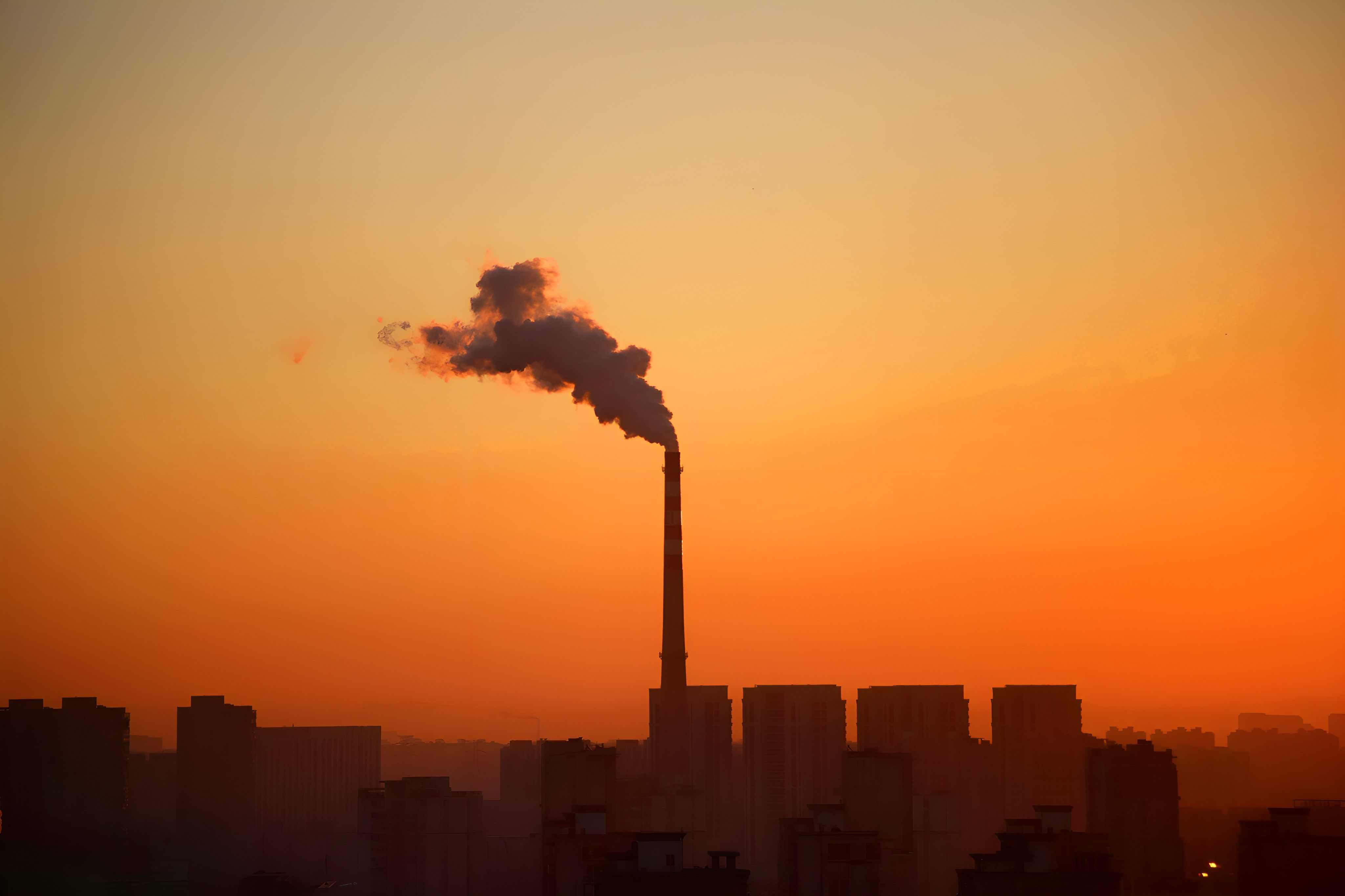
Environmental cases can involve pollution, contaminated land, threatened habitats, planning decisions, permits, resource use, or government inaction. The legal route depends on the harm, the decision being challenged, the identity of the responsible authority, and the country or state where the dispute arises.
That makes environmental rights different from a single, universal entitlement to bring a lawsuit. In practice, people may have several connected rights: to obtain environmental information, participate in a decision, challenge an unlawful act or omission, seek protection from ongoing harm, and sometimes recover compensation or restoration costs.
Start with the legal question, not the label
“Environmental case” is a broad description rather than a cause of action. A dispute may be about whether a facility is complying with a permit, whether an agency followed the correct environmental review process, whether waste was handled lawfully, or whether a person suffered a compensable injury.
Those questions usually lead to different procedures. A permit challenge may have a short administrative appeal period. A claim about a continuing discharge may use a statutory enforcement provision. A personal health or property claim may require proof of causation and damage under tort or statutory law. A public-interest organization may have to show that at least one member has a legally recognized connection to the affected place or resource.
The first useful step is therefore to identify four facts:
- What happened, and is it continuing?
- Which law, permit, regulation, or official decision is involved?
- Who has legal responsibility or decision-making authority?
- What remedy would actually address the harm?
These questions prevent a common error: treating evidence of environmental harm as proof that a particular legal claim is available. A serious environmental impact may still require the wrong legal route, an affected claimant, timely notice, or a remedy a court has power to order.
The three rights that often come before a lawsuit
Environmental law often works through a sequence rather than a single courtroom event.
- Access to information. Residents, organizations, and other eligible requesters may be able to obtain permits, monitoring records, inspection reports, environmental assessments, release data, and agency correspondence. The exact request process and exemptions vary by jurisdiction.
- Participation in decisions. Public comment, hearings, consultation, and environmental review can provide an opportunity to submit evidence before a permit or project decision is finalized.
- Access to review or enforcement. Depending on the legal system, a claimant may challenge a decision, ask an authority to enforce a legal duty, or bring a statutory citizen action.
The international Aarhus Convention’s three-pillar framework describes this connection as access to information, public participation, and access to justice. It is binding for its parties within the scope of their obligations, but it does not replace domestic rules on standing, deadlines, jurisdiction, or remedies.
Participation is a legal process, not just a public meeting
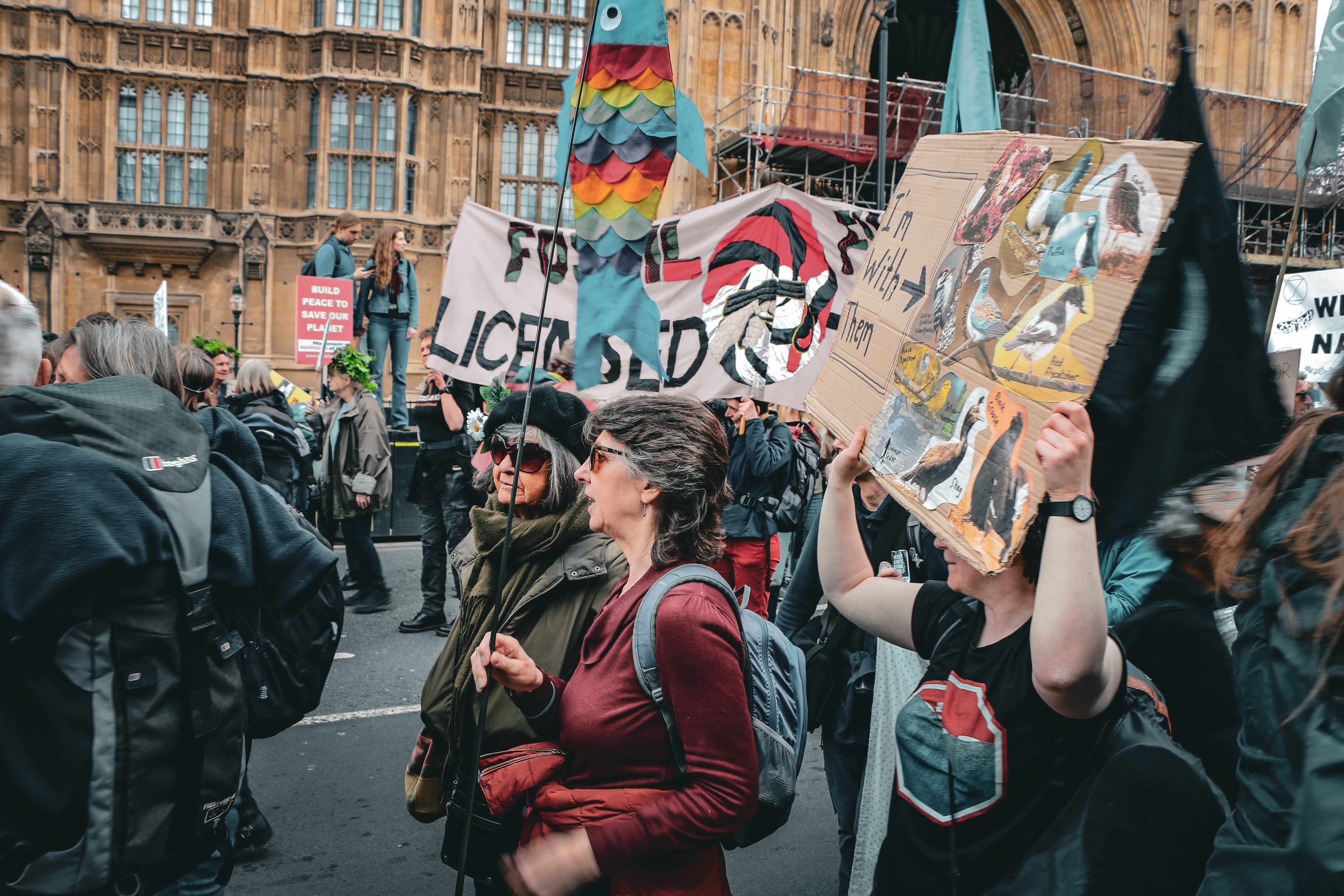
Public comments are most useful when they address the decision-maker’s legal responsibilities. A submission might identify a missing environmental assessment, a failure to consider cumulative effects, an inaccurate baseline, a permit condition that does not match the governing standard, or a procedural defect in notice.
In the United States, the Environmental Protection Agency explains that public involvement in National Environmental Policy Act reviews can occur when an agency begins its analysis and when an environmental document is released for review. The agency also notes that procedures differ among federal agencies. Its guidance on commenting in the NEPA process describes scoping, written comments, meetings, hearings, and draft environmental impact statements.
A well-prepared comment should be specific, supported where possible, and submitted through the stated channel before the deadline. Keep the submission, attachments, confirmation, and the notice that set the deadline. If a later challenge depends on whether an issue was raised during the administrative process, that record may matter.
Accessibility can also be legally relevant. Public participation systems may need to account for language access, disability access, and practical barriers to receiving information. Requirements vary, but a process that is technically open and practically inaccessible can raise different questions from a process that simply produces an unfavorable result.
Standing: who is allowed to bring the case?
Standing is the threshold question of whether a particular claimant is entitled to ask a court to decide a dispute. In U.S. federal court, the familiar framework requires a concrete and particularized injury, a connection between that injury and the challenged conduct, and a likelihood that the requested relief would address the injury. The U.S. Constitution Annotated overview of standing explains these requirements and distinguishes a concrete environmental connection from a general interest in environmental protection.
That does not mean the injury must be purely financial. Depending on the claim and jurisdiction, use of a place for recreation, study, residence, or other lawful purposes may be relevant. Organizations may rely on the interests of members, but they still need to satisfy the applicable standing rules.
Standing is separate from whether the defendant violated environmental law. A claimant may have evidence of a regulatory problem but lack the legally required connection to the harm. Conversely, a person may have a concrete injury but need a different claim because the statute does not authorize the requested remedy.
Evidence is usually the center of the case
Environmental disputes often turn on technical evidence collected over time. Useful records may include photographs with dates and locations, air or water monitoring, laboratory results, permit terms, inspection documents, weather information, land records, medical records where relevant, and communications with public authorities.
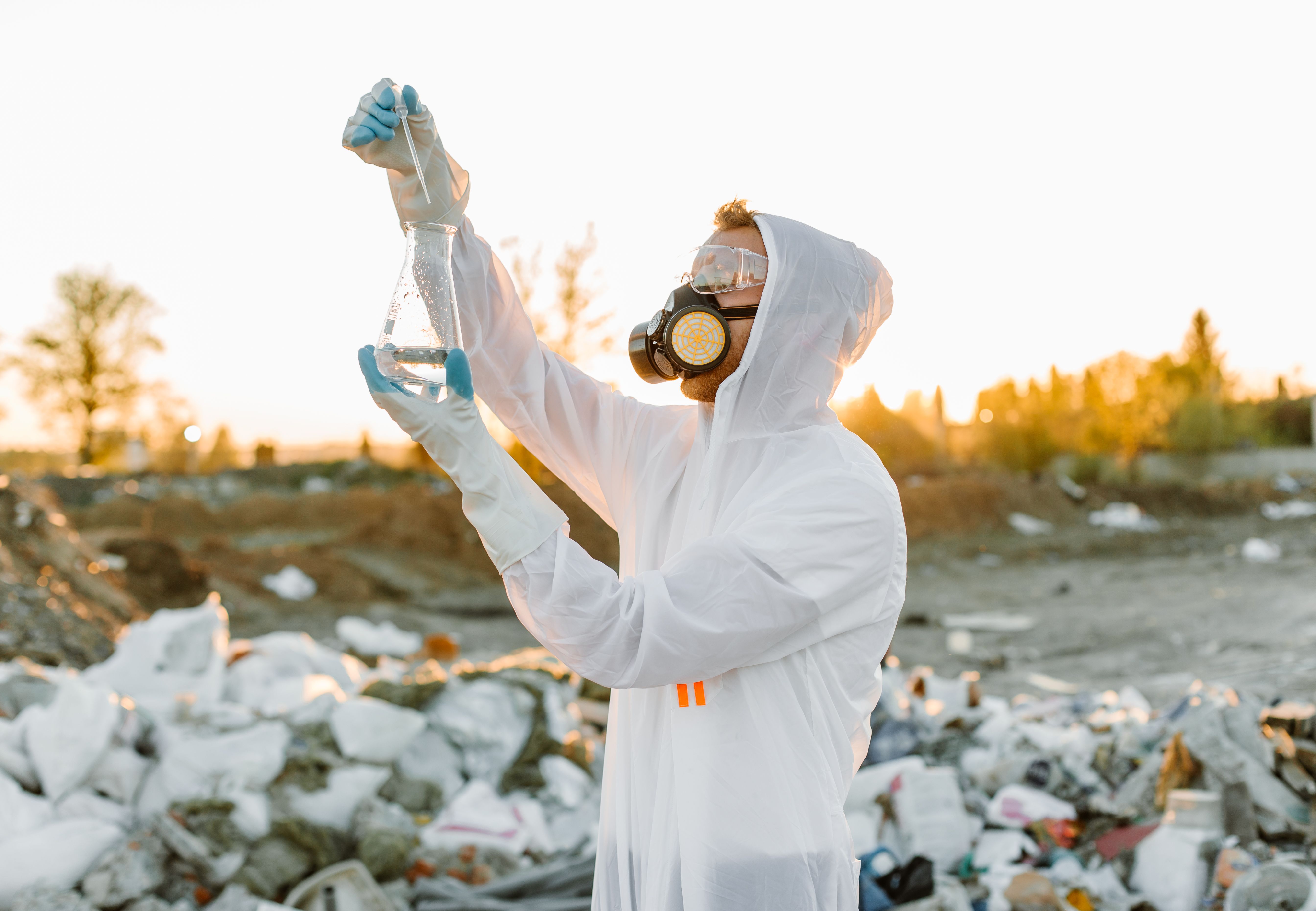
Collection methods matter. A sample without a reliable location, date, protocol, laboratory method, or chain-of-custody record may carry less weight than a properly documented sample. A photograph can show a condition, but it may not establish its chemical composition, source, duration, or legal significance.
Health and property claims often require an additional link between the alleged exposure and the claimed injury. That link may involve toxicology, epidemiology, medical evidence, property records, or expert analysis. The appropriate evidence depends on the legal elements of the claim; gathering more material is not a substitute for proving the particular elements that apply.
Notice periods and deadlines can decide the route
Environmental law contains several kinds of time limits. A permit appeal may begin running when an agency publishes or serves a decision. A judicial review claim may have to be filed within a prescribed period. A statutory citizen suit may require advance notice to an agency, a state, and an alleged violator.
For example, the federal Clean Water Act’s citizen-suit provision generally requires 60 days’ notice before an action alleging a violation of an effluent standard or limitation, subject to statutory exceptions and other restrictions. The text of 33 U.S.C. § 1365 also addresses government enforcement, service of the complaint, venue, intervention, and possible litigation costs.
That example should not be generalized to every environmental statute or country. Notice requirements may differ by law, and an incorrectly addressed or incomplete notice may create procedural problems. Before sending one, check the governing statute, regulations, service rules, and any case-specific filing deadline.
What remedies can a court or agency provide?
The remedy should be identified at the beginning because it affects standing, evidence, and the choice of forum. Possible outcomes include:
| Potential remedy | What it is designed to do | Questions to check |
|---|---|---|
| Injunctive or compliance relief | Stop an unlawful activity or require compliance with a legal duty | Does the law authorize this order, and is there an ongoing or imminent violation? |
| Permit or decision review | Set aside, reconsider, or correct an administrative decision | Was the decision unlawful, procedurally defective, or unsupported by the required record? |
| Cleanup or restoration | Address contamination or repair damage to natural resources | Who has authority to order the work, and how will its scope be measured? |
| Compensation or damages | Pay for legally recognized personal, property, economic, or resource loss | Can the claimant prove injury, causation, and the amount allowed by law? |
| Civil penalties or agreed projects | Enforce standards and support compliance or environmental benefit | Who is authorized to seek or approve the remedy, and what public process applies? |
Government enforcement and private actions do not always seek the same result. The U.S. Department of Justice describes environmental enforcement as including pollution control, cleanup, natural-resource protection, and civil penalties, while particular statutes limit what a private claimant may request. A settlement may also require public notice or an opportunity for comment in some proceedings.
Readers comparing how legal systems and professional services develop over time may find broader legal industry developments useful as general background, but such reporting should not be treated as a statement of the rules governing a particular environmental claim.

A practical preparation checklist
- Identify the location, dates, source, and continuing nature of the alleged harm.
- Find the relevant permit, regulation, environmental review, agency decision, or statutory duty.
- Record how the claimant uses or is affected by the place or resource.
- Preserve original documents, photographs, samples, messages, and agency responses.
- Check administrative appeal, notice, limitation, and judicial-review deadlines.
- Separate observed facts from technical conclusions and legal allegations.
- Define the remedy sought before choosing a legal route.
- Obtain advice from a qualified lawyer or environmental legal clinic in the relevant jurisdiction.
Frequently asked questions
Can anyone sue over environmental harm?
Not necessarily. Eligibility depends on the statute, the forum, standing rules, procedural requirements, and the claimant’s connection to the alleged harm. Some legal systems also provide administrative or public participation routes that do not require filing a lawsuit.
Do environmental cases require proof of personal illness?
No single rule applies. A claim challenging a permit or agency decision may focus on procedural or environmental-review duties, while a personal injury claim may require medical and causation evidence. The legal elements determine what must be proved.
Can a public comment become part of a later case?
It may. In systems that require issues to be raised during an administrative process, timely and specific comments can help establish what the decision-maker was asked to consider. The effect depends on the applicable law and the type of challenge.
What if an agency is already enforcing the law?
A private action may be limited or delayed where the governing statute gives an ongoing government case priority. Other laws may allow intervention, review, or a separate claim. The specific enforcement provision and procedural posture must be checked.
Can a court order environmental restoration?
Sometimes. Restoration, cleanup, mitigation, or compliance orders may be available under particular statutes and facts. Courts generally must stay within the authority granted by law and tailor relief to the injury and the claim.
The key principle
Environmental rights are most effective when treated as a process: obtain reliable information, participate at the correct stage, preserve evidence, identify a legally recognized injury or duty, and match the requested remedy to the authority that can provide it.
Because environmental law is highly jurisdiction-specific, this overview is general information rather than legal advice. A local deadline, notice rule, permit condition, or remedy limitation can change the best next step, so case-specific advice should be obtained promptly when harm is ongoing or a decision deadline is approaching.