

A video call can make distance feel briefly irrelevant: a grandparent sees a child’s new haircut, friends lean into the same birthday toast from different cities, or a couple eats dinner while a tablet stands in for the seat that would otherwise be empty. The screen is not a relationship. But it can give ordinary moments somewhere to happen together.
Presence is more than seeing a face
Video adds expressions, gestures and glimpses of someone’s surroundings to a conversation. That extra context can help people feel included, especially when distance or mobility makes meeting difficult. Yet intimacy often comes less from a dramatic heart-to-heart than from being allowed into the unremarkable parts of another person’s day.
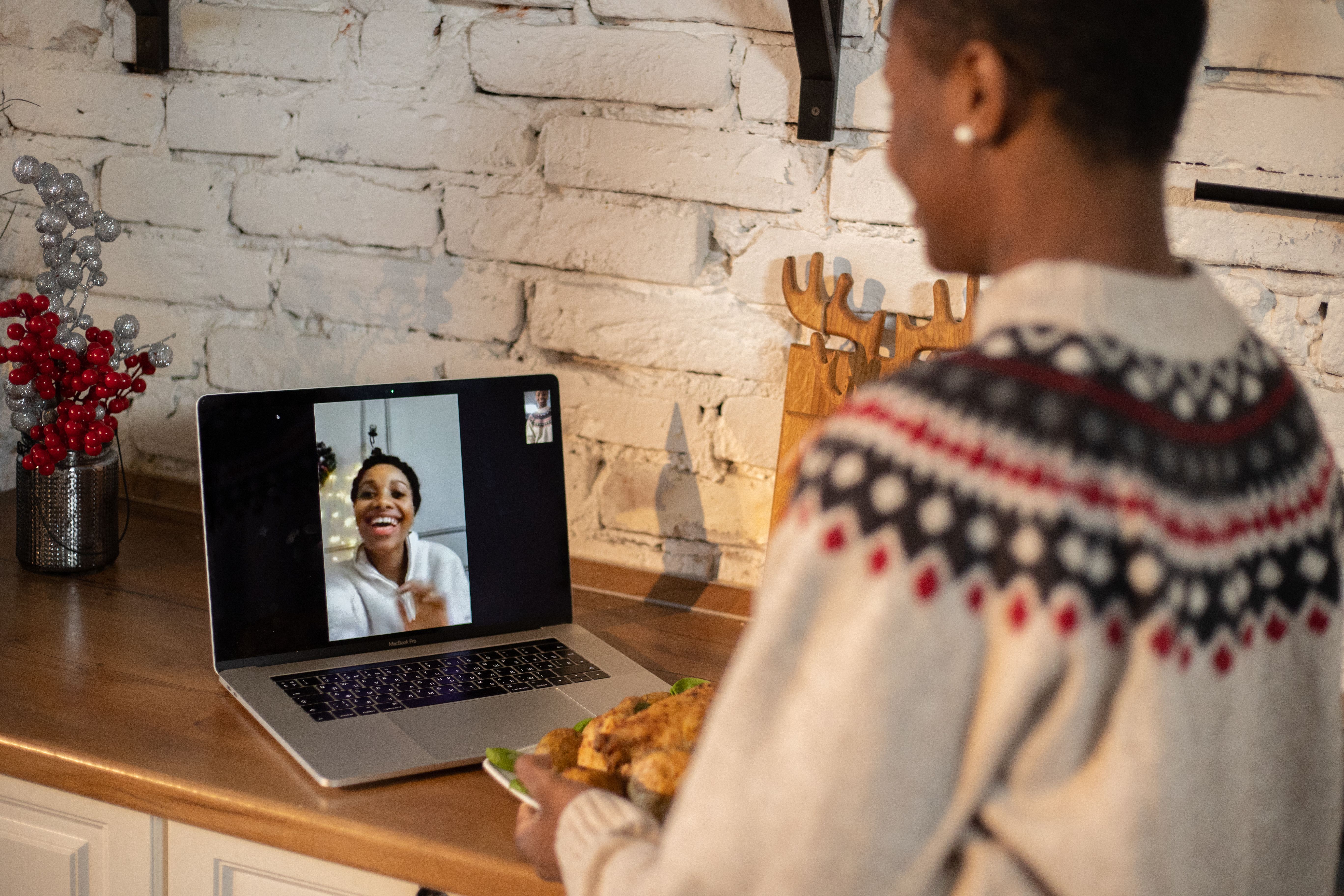
Researchers studying long-distance couples have described partners using video to “hang out,” share activities and keep one another in view while doing separate things. That everyday overlap can make a call feel less like a scheduled report and more like shared time. A family call while someone cooks or a quiet meal over a tablet can carry that same feeling.

The scale of digital contact is now ordinary, not novel. In a 2025 Pew Research Center survey, 35% of U.S. adults with close friends said they talked by phone or video with one at least a few times a week. That figure combines voice and video, which is a useful reminder: the relationship matters more than the format.
The camera is not a shortcut to closeness
It is tempting to assume that more visual information must mean more connection. Evidence is less tidy. A 2023 study in the Journal of Computer-Mediated Communication found that mediated interactions can help satisfy belonging, but different channels do not serve that need equally; face-to-face and voice contact could feel more connecting than video in some situations. A small experimental study also found that loneliness scores fell after a conversation, but adding video or a simulated high-five did not improve the result over audio alone.
My read: the call’s emotional value comes from attention and reciprocity, not from keeping the camera switched on. If one person is visibly present and the other is distracted, the image can even underline the imbalance. A brief voice call with genuine listening may be more intimate than an hour of frozen smiles.
That is why low-pressure conversation matters. A 2024 study on videoconferencing found that small talk during breaks improved participants’ enjoyment and willingness to keep talking; pairs who chatted were about three and a half times as likely to continue an unprompted conversation afterward as pairs who waited with cameras and microphones off. The useful lesson is not to script every call, but to leave room for the warm-up: the kitchen update, the silly observation, the pause that turns into a story.

Intimacy takes different forms, and needs boundaries
Digital intimacy also spans friendships, family ties, romance and paid companionship. In adult companionship, a service such as Louisa sits within a distinct, professional context: connection is shaped by clear expectations and boundaries, rather than assumed to be the same as friendship or romance. Naming that difference matters; “intimacy” describes a range of human experiences, not one relationship model.
For personal calls, the most meaningful change may be permission to include someone in the everyday rather than waiting for a special occasion. Put the phone where both people can see and hear comfortably. Make the call optional, not an obligation. And sometimes turn the camera off if that makes it easier to talk.

Video calls are changing human connection not by replacing physical closeness, but by giving relationships another place to live. Their best use is modest and powerful: not to prove that distance has disappeared, but to make sure distance does not get the final word.


